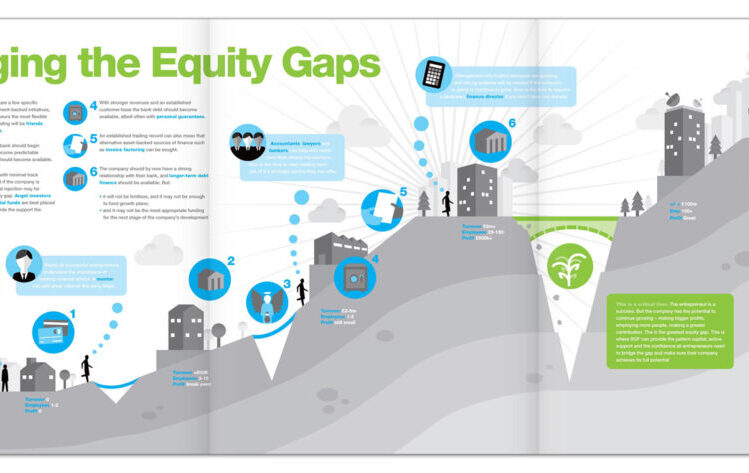
The Search Equity Gap is a crucial concept in the realm of digital marketing, signifying the significant disparity between a brand’s historical organic market share and its current standing. This gap often results in lost opportunities for companies, as unclaimed clicks translate into millions in unrealized revenue each month. As businesses strive to enhance their SEO performance, understanding this gap becomes paramount for maximizing search visibility and reclaiming lost traffic. By treating search equity as a valuable asset rather than just a traffic-generating tool, companies can implement effective digital marketing strategies that drive sustainable growth. Ultimately, bridging the Search Equity Gap not only recovers lost market share but also positions brands for long-term success in a competitive landscape.
The concept of search visibility disparity can deeply impact a brand’s ability to generate organic traffic and revenue. Essentially, this visibility gap reflects the current challenges faced by organizations in retaining their previously established digital presence. When businesses neglect their search equity, they risk exacerbating their lost traffic situation and diminishing the effectiveness of their online marketing efforts. Therefore, addressing this disparity is vital for reinstating a brand’s authority and trust within search results. By focusing on optimizing digital presence through strategic content and technical enhancements, companies can recover their organic market share and improve their overall search performance.
Understanding the Search Equity Gap
The Search Equity Gap is a critical concept in the realm of digital marketing that highlights the measurable difference between the organic market share a brand once held and what it currently represents. This gap emphasizes the importance of tracking not just traffic but the equity that traffic generates over time. With many businesses focusing solely on rankings, they often overlook the broader implications that search visibility has on long-term economic performance. Ignoring this gap can lead to significant unaddressed opportunities, where brands fail to exploit existing traffic potential, ultimately hindering growth.
Organizations that continuously monitor their Search Equity Gap are more likely to refine their digital marketing strategies. By quantifying lost organic market share, brands can initiate targeted actions to reclaim visibility and capitalize on market opportunities that remain unexplored. This strategic focus not only aids in recovering lost traffic but also strengthens overall SEO performance and enhances discoverability, ensuring that the business retains its competitive edge.
The Compounding Value of Search Equity
Search equity is fundamentally tied to the trust and authority a brand develops through consistent visibility in search results. When consumers recognize a brand as an authoritative source, it compiles an asset that directly impacts organic market share over time. Each successful interaction, whether through clicked links or user engagement, fortifies this equity. Brands must recognize that search equity is not static; it requires continuous nurturing and optimization through comprehensive digital marketing strategies. This approach aligns SEO efforts with broader business objectives, driving higher ROI and increasing perceived value among consumers.
However, search equity can quickly erode if brands neglect their online presence. Factors such as URL migrations, content fragmentation, or technological setbacks can diminish established equity, leading to significant declines in visibility and, consequently, lost revenue opportunities. Smart marketers must keep an eye on these variables and ensure that their organic market share continues to grow by reinforcing their digital capital consistently. Opting for a proactive stance towards search visibility can turn SEO from a mere cost center into a dynamic resource that enhances overall business health.
Diagnosing Decline in Search Equity
Identifying the reasons for a decline in search equity requires a thorough examination of both technical and content-related issues. Structural leaks, such as those caused by migrations or redesigns, are often the most significant culprits. When URLs are improperly mapped or internal links are broken, a brand’s authority in search engines can suffer drastically. This not only hinders visibility but also impacts search performance over the long term, leading to a noticeable decrease in organic market share. Businesses must take proactive measures to safeguard their digital architecture to prevent such losses.
Beyond structural leaks, behavioral shifts in search dynamics can also greatly affect search equity. As user behavior evolves—with increasing instances of zero-click searches and AI-generated results—the landscape becomes more competitive and demanding. Brands need to shift their focus from merely ranking high on SERPs to crafting compelling content that addresses user intent. This shift involves analyzing and adjusting content strategies to ensure that they meet evolving consumer needs and preferences, thereby helping to recover lost traffic and restore organic market share.
Quantifying the Impact of the Search Equity Gap
Understanding and quantifying the Search Equity Gap is essential for brands seeking to recover lost organic market share. A methodology focusing on performance metrics can effectively reveal where the gaps are and how they translate into economic losses. By employing data from before and after significant changes, businesses can pinpoint exactly how many clicks they have lost and the economic impact of those losses. This detailed analysis transforms uncertainty into actionable insights, allowing organizations to make informed strategic decisions.
Establishing a baseline of search performance is crucial to quantifying the equity gap. By pulling data from stable periods and comparing it to current performance metrics, companies can accurately assess their lost traffic and discoverability. This data-driven approach not only identifies lost opportunity but also highlights areas where strategic investments can reap substantial returns in the future. Ultimately, understanding these metrics enables brands to view SEO as a critical investment, rather than an expense, proving invaluable to maintaining competitive advantage.
Restoring Lost Traffic through SEO Strategy
Restoring lost traffic is not just about regaining rankings; it’s about implementing robust SEO strategies that drive genuine engagement. This includes content optimization tailored to user intent and revising site architecture to enhance crawl efficiency. By targeting the organic market share that has diminished, brands can not only recover lost traffic but also position themselves favorably against competitors in an ever-evolving digital landscape. With the right strategies in place, organizations can expect considerable improvements in both organic traffic and conversion rates.
Moreover, digital marketing strategies must evolve alongside technological advancements. With the rise of AI-driven search results, marketers must ensure their content stands out amidst the noise. This can be achieved by enhancing their presence in SERPs through the right combination of keyword optimization and rich content formats that meet user needs effectively. By staying adaptable and responsive to these changes, brands can successfully reclaim their lost traffic while building sustainable search equity that propels long-term growth and profitability.
Aligning SEO and Organizational Goals for Success
The most effective way to prevent the erosion of search equity is by aligning SEO initiatives with broader organizational goals. This begins at the executive level, where leadership must recognize that SEO is integral to the overall business strategy rather than just a marketing function. By fostering cross-departmental collaboration, organizations can ensure that SEO, marketing, IT, and analytics work synchronously towards shared objectives, ultimately raising search visibility and capitalizing on market opportunities.
When departments are siloed, the risk of losing site equity multiplies. For instance, marketing may decide on a rebranding initiative that inadvertently affects crawl efficiency, while paid advertising efforts may increase spending without addressing the root cause of visibility loss. Aligning SEO with organizational goals helps mitigate such risks and creates a cohesive framework where performance can be assessed and improved efficiently. Companies can optimize their resources and extract maximum value from every strategy implemented, leading to a more significant reclaiming of lost organic market share.
The Role of Data in Measuring Search Equity
Data plays a pivotal role in measuring and understanding the Search Equity Gap. By analyzing real-time metrics from tools like Google Search Console, businesses can gain insights into how their organic market share has fluctuated over time. This quantitative approach not only highlights lost traffic but also identifies trends in user behavior that can inform future SEO strategies. With data-driven approaches, organizations can accurately assess their performance and deploy resources effectively to enhance search visibility.
Furthermore, interpreting data effectively enables companies to uncover underlying issues affecting search equity. By distinguishing between structural, behavioral, and organizational factors, marketers can create targeted action plans to recover lost traffic. This precision allows for a more proactive stance on SEO, facilitating a shift from reactive troubleshooting to strategic planning. In doing so, brands can prioritize recovery efforts based on their potential ROI, ensuring that each action taken is aligned with reclaiming their valuable organic market share.
SEO as a Long-Term Investment Strategy
Treating SEO as a long-term investment rather than a one-off project is crucial for sustaining search equity. Organic market share, like financial equity, needs continued nurturing to grow and respond to evolving market conditions. Brands that perceive SEO as a continual commitment are more likely to adapt their strategies over time, ensuring they remain relevant in search results. This mindset encourages the implementation of ongoing audits, content updates, and structural optimizations aimed at enhancing search performance and reclaiming lost visibility.
Moreover, viewing search performance through the lens of investment helps organizations to allocate their budgets more effectively. By understanding the direct correlation between SEO initiatives and revenue, executives can justify spending on areas that foster growth. This perspective not only facilitates a more robust digital marketing strategy but also underscores the importance of cultivating search equity as a progressive effort, aiming to fortify the brand’s presence in an increasingly competitive digital ecosystem.
Future-Proofing Your Search Strategy
Future-proofing your search strategy is essential for mitigating the impact of fluctuations in search visibility and organic market share. With the constant evolution of SEO practices and search algorithms, brands must remain agile and ready to adapt. This includes adopting innovative digital marketing strategies, leveraging data analytics to predict trends, and understanding emerging technologies like AI that impact search behavior. By preparing for the future, businesses can not only safeguard their current equity but also capitalize on new opportunities as they arise.
Organizations that prioritize future-proofing their SEO strategies are more equipped to recover from downturns and seize market share than those who remain complacent. By continually investing in search equity through research, experimentation, and optimization, brands can build a resilient online presence that is less vulnerable to external challenges. This proactive stance enables companies to not only recover lost traffic but also position themselves for sustained growth and success in the digital landscape.
Frequently Asked Questions
What is the Search Equity Gap and how does it impact organic market share?
The Search Equity Gap represents the disparity between a brand’s previous organic market share and its current standing. It highlights lost opportunities for organic traffic due to declines in search visibility resulting from various factors such as structural changes, algorithm updates, or competitive pressures. This gap can severely impact revenue generation as lost organic traffic translates to unrealized value.
How can businesses recover lost traffic and address the Search Equity Gap?
Recovering lost traffic involves diagnosing the Search Equity Gap by analyzing metrics from before and after significant impacts. Businesses should focus on fixing structural leaks, optimizing content for intent satisfaction, and ensuring organizational alignment around SEO efforts. By implementing targeted digital marketing strategies and enhancing SEO performance, companies can reclaim valuable search visibility.
Why is monitoring the Search Equity Gap critical for SEO performance?
Monitoring the Search Equity Gap is essential because it quantifies missed organic traffic and associated economic impacts. Understanding this gap allows businesses to prioritize recovery efforts, reduce acquisition costs, and improve overall digital marketing strategies. It shifts the focus from merely chasing rankings to reclaiming valuable search equity that contributes to sustainable growth.
What role do structural issues play in the Search Equity Gap?
Structural issues, such as broken URLs during migrations, can significantly contribute to the Search Equity Gap. These changes disrupt a brand’s search authority and lead to lost equity in SEO performance. To mitigate these losses, companies must ensure proper URL mapping and maintain internal link structures during updates or redesigns.
How does user behavior influence the Search Equity Gap in digital marketing?
User behavior greatly influences the Search Equity Gap, especially with the rise of zero-click results and AI Overviews, which can siphon traffic away from traditional search results. As user preferences evolve, businesses must adapt their content and SEO strategies to ensure they meet user intent effectively and maintain search visibility.
Can you explain how to quantify the economic impact of the Search Equity Gap?
To quantify the economic impact of the Search Equity Gap, businesses should calculate lost traffic using actual performance metrics, determining lost clicks, conversion rates, and potential revenue. This financial analysis reveals the tangible costs of not addressing the gap and informs how resources should be allocated to recover lost opportunities in organic search.
What are some effective strategies for enhancing search visibility and closing the Search Equity Gap?
Effective strategies for enhancing search visibility include optimizing existing content for relevance, addressing technical SEO issues, and ensuring alignment between marketing and IT teams. Additionally, focusing on high-quality backlinks and user experience can significantly improve SEO performance, thus closing the Search Equity Gap.
How does treating SEO as an equity engine benefit businesses?
Treating SEO as an equity engine allows businesses to recognize search visibility as a compound asset that drives sustainable performance. This perspective shifts the focus from short-term traffic gains to long-term value creation, ultimately increasing the brand’s organic market share and reducing reliance on paid acquisition channels.
| Key Point | Description |
|---|---|
| Search Equity Gap | The difference between a brand’s past organic market share and its current share, reflecting lost opportunities. |
| SEO as an Asset | Treating search visibility as digital capital to enhance business growth and performance. |
| Organic Market Loss | Companies miss out on significant traffic and revenue, not due to a lack of optimization, but due to not tracking their search visibility effectively. |
| Search Equity Definition | The cumulative advantage gained by aligning visibility, authority, and user trust, which compounds like financial equity. |
| Diagnosing Declines | Identifying root causes of lost search equity: structural leaks, behavioral shifts, and organizational drift. |
| Quantifying Loss | Revealing the economic impact of lost value through a thorough analysis of search performance metrics. |
| Recoverable Equity | Focusing on areas where improvements can drive substantial returns, converting lost clicks to viable financial metrics. |
Summary
The Search Equity Gap highlights the critical disparity between a brand’s historical organic search visibility and its current performance, signaling lost potential for engagement and revenue. To capitalize on search opportunities, businesses must not only track their search equity but also view SEO as a vital component for sustainable growth. Analyzing the quantitative aspects of search equity allows companies to recognize and reclaim valuable traffic, aligning their digital strategies with evolving search dynamics for better market positioning.