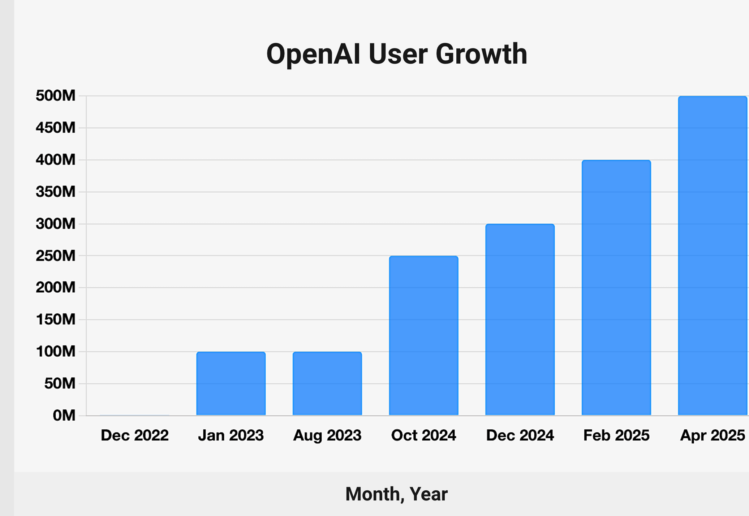
ChatGPT non-English users have emerged as a dominant force in the AI landscape, reshaping our understanding of language diversity in AI applications. According to OpenAI’s recent consumer usage data, a substantial and growing proportion of users are engaging with ChatGPT in languages other than English. This shift highlights the significance of non-English languages, particularly as the platform sees remarkable growth in regions like Africa and Asia. As non-English speakers increasingly drive OpenAI’s user growth, ChatGPT demographics now reflect a vibrant tapestry of global audiences, necessitating a re-evaluation of how AI platforms cater to diverse linguistic needs. The data clearly indicates that businesses and developers alike must adapt to this changing landscape to effectively engage with the expanding non-English user base.
The rise of ChatGPT’s non-English speaking audience represents a vital trend in the evolution of conversational AI technologies. With a notable increase in engagement from regions where languages such as Spanish, Portuguese, and Arabic flourish, understanding the demographics of ChatGPT’s users is more important than ever. Different linguistic groups are utilizing AI tools to communicate and interact in ways that were unheard of a few years ago. As more individuals turn to multilingual applications, the need for inclusive language support becomes clear, promoting a richer, more varied interaction with AI systems. This evolution marks a significant moment for non-English engagement in technology, paving the way for a future defined by greater access and connectivity.
The Rise of Non-English ChatGPT Users
OpenAI’s recent data has revealed a substantial and transformative shift in the demographics of ChatGPT users. As of the latest reports, over 50% of active users are now primarily communicating in languages other than English, indicating a significant growth in non-English speaking populations engaging with AI technology. This change is not just a minor uptick; it highlights a broader trend where languages like Spanish, Portuguese, and Arabic dominate the usage profiles. The increase speaks volumes about the evolving landscape of AI adoption in diverse linguistic territories.
Significantly, the most rapid growth is occurring in regions like Africa and Asia, where communities are increasingly gaining access to digital platforms and tools. These statistics underscore the necessity for businesses and developers to tailor their strategies to accommodate this linguistic diversity. As the user base continues to expand and evolve, the traditional assumption that the primary audience is English-speaking is no longer valid. Moving forward, it’s essential for developers to optimize their offerings to cater to a multi-lingual user base.
Frequently Asked Questions
How has ChatGPT usage data revealed the growth of non-English users?
OpenAI’s recent ChatGPT usage data shows a significant increase in non-English users, with over half of the active user base now communicating predominantly in languages other than English. This trend highlights the growing importance of language diversity in AI, as the fastest growth is observed in non-English speaking regions such as Africa and Asia, particularly among languages like Spanish, Portuguese, and Arabic.
| Key Points | Details |
|---|---|
| Non-English User Expansion | OpenAI’s data shows a significant shift with a majority of ChatGPT’s active users now communicating in languages other than English. |
| Growth in Non-English Languages | Spanish, Portuguese, and Arabic are among the most commonly used non-English languages within the ChatGPT user base. |
| Rapid Growth Areas | Africa and Asia are experiencing the fastest growth in non-English ChatGPT users, particularly in countries with lower Human Development Index (HDI). |
| User Engagement Insights | After six months of usage, users send 50% more messages daily and complete twice the number of unique tasks. |
| Demographic Changes | The majority of identifiable users with feminine names now account for more usage than their male counterparts. |
| Implications for Businesses | The shift toward a non-English majority means businesses must reconsider strategies that primarily target English-speaking audiences. |
Summary
ChatGPT non-English users represent a significant and growing portion of the user base, indicating a substantial shift in the linguistic landscape of technology. As the majority of active users now communicate primarily in non-English languages, businesses and developers must adapt their approaches to reach this diverse audience effectively. The emergence of languages like Spanish, Portuguese, and Arabic highlights the need for multilingual strategies. This trend not only reflects changing demographics but also emphasizes the importance of inclusivity and accessibility in digital communications. Understanding and addressing the unique needs of non-English users will be crucial for future developments in AI technologies.
Discover the power of **Autowp**, your go-to AI content generator and AI content creator plugin for WordPress, designed to effortlessly enhance your website’s content strategy. With Autowp, you can instantly generate high-quality, engaging articles and posts tailored to your audience, boosting your online presence and improving SEO effortlessly. Don’t miss out on the future of content creation—try out Autowp today! To remove this promotional paragraph, upgrade to Autowp Premium membership.