In today’s fast-paced digital landscape, structural disruption has become a pivotal concern for marketers and content creators alike. As social platforms shift their algorithms, we have witnessed a staggering decline, such as a 47% drop in LinkedIn reach this year. Many attribute this change to the rising influence of AI technologies, impacting everything from content creation to audience engagement. However, the broader implications of structural disruption should not be overlooked; it illustrates how the form of our digital strategies must continuously evolve while the underlying function remains vital. To navigate these challenges effectively in 2026, marketers must adapt their digital marketing strategies and recognize the changing organic reach statistics that define their success.
In essence, the concept of structural upheaval highlights a significant transformation in how audiences engage with content across various platforms. This shift could be likened to a paradigm change, where traditional metrics of success are being redefined by the increasing prevalence of AI in digital interactions. As practitioners grapple with declining performance indicators, they must understand that this is not merely a decline in reach but a fundamental restructuring of digital avenues and opportunities. By embracing this new reality, businesses can align their objectives with robust and innovative content methodologies that resonate with current and future trends in content consumption. This transition calls for a reevaluation of digital marketing strategies that leverage the positive effects of AI while mitigating potential downsides.
Understanding Structural Disruption in Digital Marketing
Structural disruption has become a key theme in digital marketing, especially as platforms like LinkedIn change their algorithms and content strategies. Unlike a simple decline where a platform ceases to be effective, structural disruption signifies a shift in how value is delivered. Businesses must recognize that while metrics such as organic reach statistics may show a 47% drop on LinkedIn, this does not equate to the collapse of their influence online. Instead, it highlights the need for adaptation in response to changing algorithms and audience engagement patterns.
To thrive amid structural disruptions, marketers should focus on redefining their value propositions. Rather than lamenting the loss of organic reach, they should explore new avenues for engagement and the innovative use of AI tools that can enhance content visibility. By leveraging emerging trends and aligning with digital marketing strategies that prioritize quality interactions—like earning citations or encouraging saves—businesses can pivot successfully without losing their core mission. The key is to view these shifts as opportunities for growth rather than setbacks.
The Impact of AI on Content and Engagement
The rise of AI has undoubtedly reshaped how content is created and consumed online. Platforms are increasingly favoring AI-generated content, as evidenced by the report that 41% of long-form content on LinkedIn is now produced by AI. This shift has led to structural disruption, wherein the tactics that once worked for content marketers no longer yield the same results. As algorithms evolve, marketers must adapt their content strategies to ensure they remain relevant and engaging.
It’s crucial for marketers to embrace AI as a tool rather than view it as a threat to their efforts. While AI might impact organic reach statistics negatively, it also offers powerful capabilities for content curation and audience targeting that can bolster engagement. For example, by utilizing AI to analyze audience preferences and optimize when and how content is shared, marketers can increase their chances of gaining visibility—thus redefining their engagement metrics beyond mere clicks.
Digital Marketing Strategies for 2026
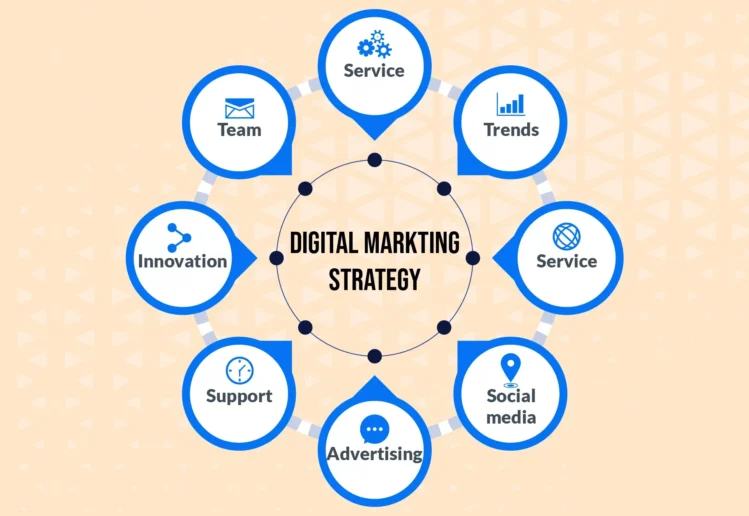
As we approach 2026, the landscape of digital marketing is evolving rapidly, influenced heavily by AI and emerging technologies. Marketers need to stay ahead of the curve by embracing innovative strategies tailored to the shifting dynamics of platforms like LinkedIn. One effective strategy is focusing on building a robust email subscriber base, which can directly enhance engagement without being fully reliant on the whims of algorithm changes. This allows brands to maintain direct connections with their audience, fostering loyalty even as platform metrics fluctuate.
Additionally, investing in authentic storytelling and user-generated content can significantly improve brand visibility. As audiences become more discerning, the demand for authenticity and relatability in marketing grows. Effective digital marketing strategies in 2026 will harness these powerful aspects to create meaningful interactions, thus ensuring that brands don’t merely chase algorithms but deliver true value to their audience.
Adapting to Changing Organic Reach Dynamics
With a reported decline of 47% in LinkedIn’s organic reach, businesses are confronted with the challenge of adapting their strategies to maintain visibility and engagement. This decline reflects a broader trend in digital marketing where platforms are revising their algorithms to prioritize quality engagement over sheer numbers. Businesses need to recognize this shift and adapt by focusing on creating high-quality content that generates genuine interest and interactions, rather than just optimizing for traditional reach metrics.
Implementing a diversified strategy helps mitigate the risks associated with dependence on any single platform. By combining efforts across multiple channels—such as email marketing, social media outreach, and community engagement—companies can create a holistic approach that better resonates with their audience. Such adaptability is crucial for staying relevant amidst the evolving landscape of digital marketing and acknowledging that structural disruption is part of a continued evolution rather than a signal of decline.
Rethinking Measurement Metrics
In this era of structural disruption, it’s time to rethink how we measure success in digital marketing. Businesses should pivot from traditional metrics like clicks and impressions to more indicative statistics such as engagement rates, content citations, and the quality of audience interactions. The decline in LinkedIn clicks should prompt businesses to refocus on what truly matters—building relationships with their audience and ensuring the content resonates on a deeper level.
Measuring success by whether content is saved, shared, or generates discussions encourages marketers to craft more valuable pieces that align with audience interests, rather than simply focusing on superficial metrics. Effective digital marketing strategies will prioritize quality over quantity, ensuring that even as algorithm changes impact organic reach, the core mission of delivering value remains intact.
Navigating AI and Job Security
The introduction of AI into the workforce has raised significant concerns about job security, with 40% of employees fearing job losses due to AI advancements. This apprehension is exacerbated by the ongoing discussions regarding job cuts driven by automation, which serve as a stark reminder of the impact AI is having on the job market. However, rather than viewing AI solely as a threat, businesses and workers can explore ways to coexist and leverage AI to enhance productivity and creativity.
Educating employees on how to use AI tools effectively can transform anxiety into empowerment. By equipping teams with the skills to harness AI for data analysis, content creation, and consumer insights, companies can create a workforce that is more adaptable and better prepared for the changes ahead. Emphasizing continuous learning and adaptation becomes crucial in ensuring job security and relevance in a rapidly changing digital landscape.
Long-term Strategies for Resilience
To navigate the rising tide of structural disruption effectively, businesses must adopt long-term strategies to build resilience in their operations. This involves embracing change and being willing to pivot not just in response to current market trends, but also in anticipation of future disruptions, such as advancements in AI or shifts in consumer preferences. Companies that cultivate a culture of agility are more likely to thrive as they can quickly adapt their digital marketing strategies as needed.
Investing in long-term customer relationships through personalized marketing approaches and tailored content can significantly enhance brand loyalty, creating a stable foundation even in the face of algorithmic upheavals. Additionally, regularly updating skills and knowledge within teams ensures that everyone is equipped to pivot and adapt. The companies that win in 2026 and beyond will be those that embrace change as part of their strategic framework.
Evolving Content Creation Techniques
In light of the significant roles that AI plays in content creation, evolving content strategies has never been more paramount. Businesses must navigate the format shifts where AI-generated content is prevalent, and ensure that their human touch still shines through. Successful brands will invest in creating hybrid content—where both AI and human expertise coexist to deliver insightful and engaging pieces that resonate with audiences.
As organic reaches fluctuate across platforms, the focus should be on diversifying content formats, from short-form videos to interactive blogs. Adapting to user preferences is essential, and as we look toward the content trends of 2026, incorporating elements that encourage audience interaction such as polls or discussions will transform static posts into engaging experiences. This adaptability will safeguard brands against the tides of structural disruption.
The Future of LinkedIn and Organic Reach
As LinkedIn and other platforms continue to implement changes that affect organic reach, understanding the direction of these shifts is essential for marketers. The introduction of new algorithms that prioritize quality engagement over traditional metrics signifies a transformation in how value is perceived and measured. Marketers must stay informed about these changes and adjust their strategies accordingly to optimize their presence on such platforms.
LinkedIn’s future appears to involve an ongoing push for content that not only garners reactions but also promotes meaningful discussions. By focusing their efforts on creating valuable connections and fostering community engagement, marketers can enhance their brand presence and mitigate the impacts of declining organic reach. A proactive approach that anticipates these shifts will ensure businesses remain a vital part of LinkedIn’s evolving ecosystem.
Frequently Asked Questions
How does structural disruption affect LinkedIn reach and digital marketing strategies?
Structural disruption refers to significant changes in the way platforms operate, influencing metrics like LinkedIn reach and digital marketing strategies. As LinkedIn’s organic reach has declined by 47% due to the introduction of new algorithms, marketers must adapt their strategies to these changes. Instead of blaming algorithm updates, businesses should focus on understanding their actual audience engagement and value delivery, ensuring they align their content with the evolving platform functions. This shift is crucial for maintaining effectiveness in digital marketing, especially in light of rising AI influence on content.
| Key Points | |
|---|---|
| Clicks down 42% and LinkedIn reach down 47% due to AI-related changes. | Critics target AI, but the issue is structural disruption—change in media landscape rather than decline. |
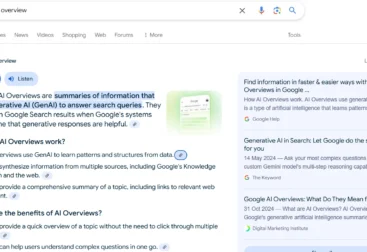
| Organic clicks almost halved when AI Overviews were introduced in search results. | LinkedIn’s reach decline linked to its new ranking algorithm, considering post expertise and engagement time. |
| 41% of LinkedIn’s long-form content is AI-generated, prompting new reporting features on the platform. | Job fears due to AI rise, with significant layoffs announced in 2026 attributed to AI. |
| Structural disruption highlights the importance of adapting to changes rather than clinging to fading channels. | Focus on function metrics (e.g., engagement, citations) rather than just rankings or clicks. |
Summary
Structural disruption is reshaping the digital landscape, challenging traditional models that once dominated content consumption. This shift requires businesses and marketers to rethink their strategies and focus on core functionalities rather than purely relying on established channels. As various platforms evolve, understanding the nuances of structural disruption becomes critical for survival in an increasingly AI-driven ecosystem. Embracing these changes rather than resisting them will allow organizations to maintain relevance and continue providing value to their audiences.
Discover the power of automated creativity with Autowp, your ultimate AI content generator and AI content creator plugin for WordPress. Seamlessly generate high-quality, engaging content tailored to your audience, all while saving time and optimizing your workflow. Whether you’re a blogger, marketer, or website owner, Autowp enhances your content strategy with cutting-edge AI technology, allowing you to focus on what matters most: connecting with your audience. Upgrade to Autowp Premium membership to remove this promotional paragraph.