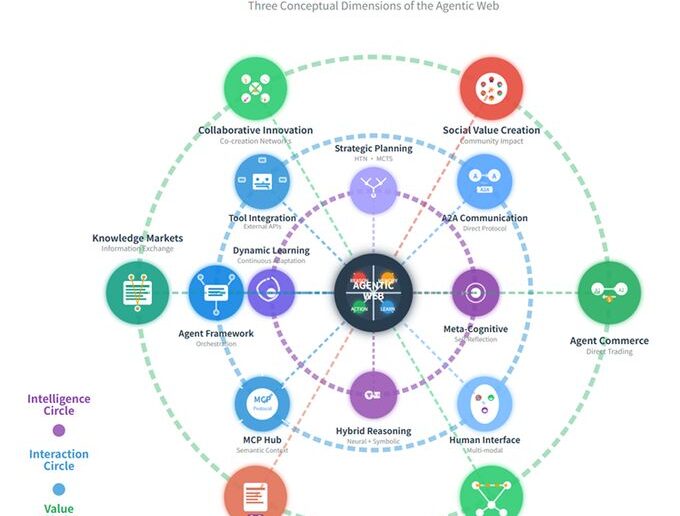
The **Agentic Web** is rapidly transforming the landscape of online interactions, marking a new era where AI agents actively traverse websites on behalf of users. This innovative segment of the internet allows for automated web interactions that enhance efficiency and streamline processes such as website optimization and transaction execution. As AI web traffic grows, these machine-first architecture solutions become pivotal, offering businesses a competitive edge by improving response times and user engagement. In fact, AI agents, equipped with sophisticated algorithms, empower users to compare products, fill forms, and make purchases seamlessly, resulting in significant increases in conversion rates. Understanding the dynamics of the Agentic Web is crucial for publishers and developers as they adapt to this emerging class of digital traffic, representing a fundamental shift in how websites are designed and interacted with.
The concept often referred to as the **agent-centric internet** encompasses the realm where automated agents engage with online platforms, operating independently to fulfill tasks for human users. This paradigm introduces a novel visitor classification, distinct from traditional human browsers and search engine crawlers, focusing on enhancing automated web experiences. With terms like **AI-driven web automation** and **machine-first design** becoming integral to discussions in digital marketing, the significance of optimizing interactions for these autonomous agents cannot be overstated. By harnessing the power of AI, organizations can achieve superior website performance, significantly boost web traffic, and enhance overall user satisfaction. Embracing the agent-centric approach is essential for businesses looking to keep pace with the evolving technology landscape.
Understanding the Intricacies of the Agentic Web
The Agentic Web is an exciting and transformative layer of the internet, marking a significant shift in how web traffic is categorized and optimized. Unlike the traditional human web populated by human users and search engine crawlers, the agentic web introduces AI agents as a new primary visitor class. These agents perform tasks on behalf of humans, such as retrieving information, making purchases, and engaging with online content, while navigating websites similarly to how human users do. This transition toward a machine-first architecture heralds a future where automated web interactions play a pivotal role in shaping customer experiences and engagement.
Understanding the agentic web is vital for businesses looking to leverage AI-driven traffic effectively. The rapid growth of AI agents poses both challenges and opportunities. With projected increases in AI traffic to websites, particularly in sectors such as retail, companies must adapt their strategies accordingly. This includes implementing machine-first architecture principles that redefine how content is structured, presented, and interacted with across online platforms. The implications for industries are profound, as those who effectively adapt will likely benefit significantly from higher conversion rates and customer loyalty.
The Importance of Machine-First Architecture
Machine-first architecture (MFA) serves as a foundational concept for optimizing online interactions in the agentic web. Comprised of four pillars—Identity, Structure, Content, and Interaction—MFA provides a clear framework for developing websites that are not only accessible to human users but also understandable by AI agents. By prioritizing these elements, businesses can ensure seamless automated web interactions that enhance user experience and operational efficiency. This strategic alignment with the new realities of web traffic will determine the success of future digital initiatives.
In practical terms, MFA emphasizes the significance of clear identity signals for websites—ensuring that AI agents can discern who the site represents and what value it offers. The Structure pillar addresses the need for robust infrastructure that withstands the intricacies of AI operations without compromising performance. As website optimization evolves, businesses must recognize that simply catering to human visitors is no longer sufficient; a holistic approach that integrates machine-first principles is crucial for thriving in this automated landscape.
Transforming AI Web Traffic into Business Opportunities
The rapid ascent of AI web traffic presents a unique opportunity for businesses, especially in retail, to achieve remarkable conversion rates. As observed, AI traffic growth has surged by 393% in a single year, outperforming traditional traffic metrics with 42% better conversion efficacy. This data underscores the importance of engaging AI agents as legitimate traffic sources, prompting companies to rethink their marketing and engagement strategies. Utilizing the insights gained from agentic web interactions can significantly bolster sales channels and customer relations.
Businesses are now tasked with the challenge of effectively capitalizing on this surge in AI-driven traffic. Successful integration of AI agents into transactional frameworks entails revising website functionalities to accommodate automated interactions, such as personalized recommendations and streamlined purchase processes. As the agentic web continues to evolve, those who embrace these changes will not only enhance their engagement metrics but may also discover new streams of revenue, breaking away from traditional models reliant solely on human interactions.
Reinventing Website Optimization Strategies for AI Agents
As the landscape of web visitors shifts, it becomes imperative for website optimization strategies to accommodate AI agents alongside human users and crawlers. This calls for a fundamental rethinking of how websites are structured and what is prioritized in content delivery. Incorporating elements that enhance machine readability, such as structured data and answer-first content, can significantly improve how effectively AI agents traverse and interact with web elements, ultimately leading to a more efficient online experience.
Moreover, optimization for AI agents requires an understanding of their unique operational frameworks. Websites must be designed to support automated interactions, enabling agents to perform their tasks without friction. This involves ensuring that content is easily accessible and actionable, thus meeting the expectations of increasingly sophisticated AI algorithms. As businesses adapt to these new requirements, the interplay between human creativity and AI-driven efficiency will shape the digital ecosystems of the future.
The Changing Role of Publishers in the Agentic Web Era
The emergence of the agentic web presents a critical shift for publishers who have traditionally relied on human-driven search traffic for revenue. As AI agents become primary visitors to content-rich websites, publishers must find innovative ways to retain their relevance. With a notable decline in search-driven referral traffic reported across the industry, focused strategies on fostering direct audience relationships and enhancing agent engagement are necessary. Embracing these changes will be key to maintaining financial sustainability in this evolving landscape.
Publishers must also consider how AI agents interact with their content. Content curation and presentation strategies may need to prioritize quick access to valuable information, ensuring that AI agents can extract and present answers directly to users without navigating entire articles. This ‘answer-first’ approach not only enhances AI interactions but also encourages the relevance of the content presented, making it more attractive to both agents and human readers alike. By embracing the potential of the agentic web, publishers can redefine their roles in the digital information ecosystem.
Impactful Changes for Developers in the AI-Powered Web
As the agentic web continues to evolve, web developers find themselves at the forefront of implementing machine-first architecture to support AI interactions effectively. A significant shift in development practices is underway, requiring a deeper understanding of how AI agents operate and interact with web content. The introduction of specific APIs aimed at enhancing agent interactions emphasizes the need for developers to adapt their skills and strategies to build more seamless and efficient web experiences for AI users.
Incorporating machine-readable structures and implementing robust testing measures to ensure compatibility with AI technologies are critical steps for developers. Creating responsive and adaptive systems that can readily accommodate automated processes will help businesses stay competitive in this rapidly advancing digital landscape. By adopting these new approaches, developers can play a pivotal role in shaping how websites engage with AI agents, ultimately leading to improved user experiences and higher engagement rates.
Navigating the Economic Implications of the Agentic Web
The agentic web is not just a technical shift; it carries profound economic implications for various sectors. For instance, businesses experiencing significant growth from AI traffic must also recognize the disparity that this new visitor class creates among different industries. While retailers may enjoy record-breaking conversion rates, many publishers grapple with declining referral traffic. This asymmetric effect underlines the necessity for businesses to rethink their economic models and strategies to adapt to the realities of the agentic web, ensuring they engage effectively with both human and AI users.
To navigate these economic shifts, companies must develop frameworks that account for the unique behaviors and expectations of AI agents. This includes investing in technologies and methodologies that cater specifically to agent interactions while simultaneously nurturing traditional human relationships. The ability to balance these elements will be crucial for businesses aiming to thrive amidst the complexities introduced by the agentic web, providing a pathway to sustainable growth and resilience in the face of ongoing digital transformation.
Future-Proofing Your Business Model in the Agentic Web Age
In light of the rapid developments in the agentic web, future-proofing business models has never been more essential. Companies must remain agile, ready to refine their strategies in response to the competitive landscape shaped by AI traffic and automated interactions. By embracing a culture of innovation and adaptability, businesses can better position themselves to harness the lucrative potential of the agentic web, turning challenges into opportunities for growth.
This proactive approach entails conducting regular assessments of technology, user experience design, and content delivery methods to ensure alignment with the evolving needs of both AI agents and human visitors. Engaging in continuous learning and keeping abreast of advancements within the agentic web will empower businesses to navigate future challenges with confidence. Those who prioritize adaptability and strategic foresight will emerge as leaders in this new era of digital engagement, where AI plays a central role in shaping interactions.
Frequently Asked Questions
What is the significance of the agentic web in AI web traffic optimization?
The agentic web is crucial for optimizing AI web traffic as it focuses on AI agents interacting with websites autonomously on behalf of users. This segment of web traffic showcases a significant rise, with reports indicating a 393% year-over-year growth in AI traffic to U.S. retailers as of early 2026. By leveraging machine-first architecture, businesses can enhance website optimization specifically for this traffic, thus improving conversion rates and user interactions driven by automated web interactions.
| Key Points | Details |
|---|---|
| Definition of the Agentic Web | The layer of the internet where AI agents operate on behalf of humans. |
| Visitor Class Introduction | Includes agents, humans, and crawlers; agents perform actions autonomously for humans. |
| Impact on Traffic | Projected to grow rapidly, with AI traffic significantly outperforming non-AI traffic in conversion rates. |
| Machine-First Architecture | Four pillars: Identity, Structure, Content, Interaction that websites must adhere to for optimization. |
| Economic Implications | Publishers face declining referral traffic; businesses see increased AI traffic leading to high conversion rates. |
Summary
The Agentic Web represents a groundbreaking evolution in our interaction with digital content. As AI agents increasingly populate our online environment, navigating sites in place of humans, this new layer of the internet profoundly impacts how businesses, publishers, and developers approach online strategies. Understanding the Agentic Web is crucial for leveraging its potential to drive traffic and conversions effectively. By employing machine-first architecture—emphasizing Identity, Structure, Content, and Interaction—organizations can optimize their websites to cater to this rapidly growing class of web visitors. The future of online engagement will be shaped by how well entities adapt to this transformative shift.
Introducing Autowp, your ultimate AI content generator and AI content creator plugin for WordPress. This innovative tool revolutionizes the way you produce engaging and SEO-friendly content, allowing you to effortlessly generate quality articles, blog posts, and web pages that captivate your audience. With Autowp, you can enhance your site’s performance and boost your online presence instantly. Experience the future of content creation today! To remove this promotional paragraph, upgrade to Autowp Premium membership.