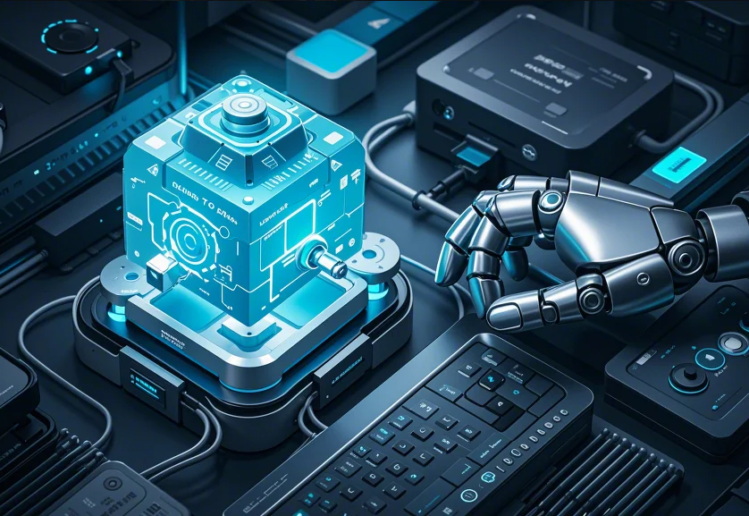
AI automation is revolutionizing the marketing landscape, offering businesses unprecedented efficiencies and capabilities. However, as digital marketing increasingly embraces artificial intelligence, important considerations arise regarding the risks, particularly concerning SEO deskilling. The reliance on AI for tasks that traditionally required human insight raises questions about the future of SEO roles and the integrity of entry-level job positions. As AI tools streamline numerous processes, the marketing workforce must navigate the delicate balance between harnessing these innovations and safeguarding essential skills. Understanding the impact of AI in marketing is crucial; failing to maintain foundational expertise could jeopardize the future of both talent and marketing strategies.
Automation through artificial intelligence, often referred to as AI-driven optimization, is reshaping how marketers approach their strategies. With the integration of machine learning and data analysis, businesses can enhance their overarching objectives while facing the looming challenges of marketing automation risks. The landscape is evolving not just in efficiency but in how we perceive entry-level positions in this technology-driven era. Moreover, the potential for SEO deskilling poses a risk; marketers must ensure that the application of AI does not erode the skills necessary for effective strategy execution. As we look towards the future of search engine optimization, a careful balance between technological advancement and human expertise must be maintained.
Understanding the Risks of SEO Deskilling
The advent of AI automation has sparked significant changes in the marketing domain, particularly in SEO. A key concern is the increasing trend of SEO deskilling, which refers to the erosion of essential skills among marketing professionals, especially those in entry-level positions. As organizations turn to AI to manage various tasks, the knowledge and expertise required to execute these tasks manually may dwindle, leading to a workforce lacking in fundamental capabilities. This situation is especially dire considering the statistic revealing a 40% decline in entry-level roles that have high exposure to AI, indicating a disparity in talent development as companies focus on hiring skilled professionals instead.
Moreover, deskilling poses risks beyond just the foundational knowledge. When organizations prioritize automation over the cultivation of skills, they may inadvertently introduce marketing automation risks. A workforce poorly versed in SEO principles will struggle to effectively oversee and utilize AI tools, relying on technology without an understanding of its limitations. Consequently, businesses not only risk compromising their SEO strategies but face the possibility of losing the capacity to innovate and adapt within the competitive digital landscape.
AI Automation in Marketing: A Double-Edged Sword
AI automation offers a myriad of advantages in marketing, from streamlining repetitive tasks to processing vast amounts of data in real-time. However, while these benefits are attractive, organizations must be cautious about the scope of tasks they choose to automate. The allure of efficiency can lead to a neglect of critical skills that marketers need to develop. For instance, tasks like keyword research may seem ideal for automation, yet they are integral to building perspective and intuition that only come from hands-on experience. Hence, companies should be discerning in selecting which tasks serve as training grounds for their marketing teams and which can safely be delegated to AI.
Furthermore, while AI can significantly enhance productivity, it should not replace the need for human insight in strategy and decision-making. The success of marketing campaigns increasingly relies on a combination of AI capabilities and the nuanced understanding of human marketers. This blending of technology with human intuition facilitates more effective and creative solutions to SEO challenges and drives innovation within organizations. Businesses must recognize that the full potential of AI automation is only realized when partnered with skilled professionals who can harness its capabilities while contributing their insights.
The Future of SEO: Balancing Automation and Expertise
As we look toward the future of SEO, a pivotal question arises: how to strike a balance between embracing AI automation and maintaining a highly skilled workforce. The rapid evolution of automation tools can potentially overshadow the need for traditional SEO skills. However, the cornerstone of successful SEO strategies continues to hinge on a deep understanding of marketing principles, user behavior, and content strategy. For businesses to remain competitive, nurturing this expertise while integrating AI will be crucial. Companies can benefit by investing in training programs that empower their teams to work alongside AI without losing the human touch essential for SEO.
Additionally, as entry-level jobs become scarcer due to automation, it is imperative that organizations develop structured onboarding and mentoring programs. This investment will foster the next generation of SEO talent equipped to work in tandem with advanced technologies. By cultivating a culture that values skill development, organizations can ensure that their marketing teams are not just operators of AI tools but are attuned to the complexities of user engagement and strategic thinking essential for future marketing success. This proactive approach will help prevent a skills gap, reinforcing the importance of human insight in an increasingly automated world.
The Role of Entry-Level Talent in Marketing Automation
Entry-level talent plays a crucial role in the realm of marketing automation, yet current trends suggest a declining demand for these positions due to rapid automation. These novice professionals often bring fresh perspectives and innovative ideas, effectively contributing to an organization’s adaptability amidst change. However, with AI taking over various repetitive tasks in marketing, companies might face challenges in appealing to aspiring marketers who seek development opportunities and career growth. Brands that continue to invest in entry-level roles and provide comprehensive training will find themselves better positioned to harness the potential of both emerging talent and advanced technologies.
Moreover, hiring practices that overlook entry-level talent in favor of immediate expertise may create a larger skills gap within the marketplace, making companies vulnerable in the long term. Without a strong foundation of new talent to replace experienced professionals as they retire or transition out of the workforce, marketing departments risk losing valuable institutional knowledge and creative capabilities. It is essential for companies to recognize the potential of entry-level positions not only as a resource for operational tasks but as essential elements of knowledge transfer and skill-building within the organization.
Navigating Marketing Automation Risks with Strategic Insights
Automation in marketing undeniably comes with its risks; however, organizations can navigate these challenges by emphasizing strategic insights that combine both human intelligence and AI capabilities. Companies risk becoming overly reliant on AI-generated outputs without sufficient interpretation or contextual understanding from experienced marketers. It becomes crucial to foster a collaborative ecosystem where human marketers can effectively analyze and refine AI outputs, turning potentially risky automation into strategic opportunities. By maintaining this collaborative framework, businesses can leverage AI tools while also ensuring that critical thinking and human expertise guide the direction of marketing strategies.
In addition, organizations should implement ongoing training that emphasizes understanding the limitations and strengths of AI in marketing. Building a culture of continuous learning allows marketing teams to stay ahead of trends and accurately assess the implications of their automated systems. Such initiatives create an environment where employees feel empowered to contribute creatively and strategically, questioning the outputs generated by AI rather than accepting them at face value. In this way, companies can solidify their marketing foundation, harnessing technology while safeguarding experienced input to optimize their marketing efforts.
The Importance of Training Programs in the Age of AI
Training programs are more important than ever in an industry increasingly influenced by AI automation. As businesses integrate AI into their marketing operations, fostering a culture of learning can ensure that employees at all levels understand how to utilize these technologies effectively. Comprehensive training that focuses on not just how to use AI tools but also imparts the foundational knowledge essential for analyzing AI outputs can greatly enhance the quality of marketing strategies implemented. Companies investing in their training resources are not merely keeping pace with technology; they are laying the groundwork for a future where marketing professionals thrive in tandem with AI.
Additionally, when organizations prioritize the development of structured training programs, they simultaneously address potential deskilling issues associated with an over-reliance on AI. Beyond technical skills, fostering critical thinking and problem-solving capabilities ensures that even as processes evolve, marketers retain the ability to navigate challenges autonomously. In this dynamic landscape, success hinges on the ongoing development of professionals who can blend technical know-how with human creativity and insight to innovate in their respective fields.
Retaining Human Touch in a High-Tech World
As marketing increasingly leans on automation, it becomes vital to emphasize the importance of maintaining a human touch. While AI tools can optimize various processes, the essence of marketing—the connection with customers—relies on empathy, creativity, and storytelling. Marketers who possess the skill to intertwine human experiences with data-driven insights will offer tremendous value, ensuring that messages resonate with target audiences. Balancing efficiency through automation while retaining these critical human elements can create campaigns that engage and connect on a deeper level, highlighting the necessity of maintaining authenticity in marketing initiatives.
Furthermore, organizations should encourage a mindset that embraces adaptability. As AI continues to evolve, it’s essential for marketing teams to remain open to experimenting with new technology while retaining the values of creativity and personal interaction that define successful marketing strategies. By fostering an environment that appreciates the unique attributes of human-driven marketing in tandem with AI tools, organizations can sustainably thrive in this high-tech world while creating memorable brand experiences that resonate with consumers.
Preparing for the Future: Is Your Team Ready?
As organizations make strides towards AI integration in their marketing efforts, preparedness should be a top priority. Being proactive in assessing your team’s readiness to adapt and implement new automation tools can make all the difference. Conducting skills audits and identifying areas where your team needs training or development is essential. This approach will ensure that, as the landscape of marketing evolves, your workforce remains capable of leveraging AI effectively rather than becoming relegated to roles that lack relevance in the digital age.
Ultimately, the future of SEO and marketing in an AI-driven world will rely on teams that blend technological proficiency with a strong foundation in marketing principles. Creating a learning culture that prioritizes continuous improvement and professional development ensures that your marketing team is not only ready for the present but prepared for the rapidly changing future. By cultivating a competent workforce that embraces both AI’s potential and the irreplaceable value of human insight, businesses can position themselves to thrive and navigate the evolving marketing landscape successfully.
Frequently Asked Questions
What are the risks of SEO deskilling due to AI automation in marketing?
AI automation in marketing can lead to SEO deskilling by reducing hands-on experience in entry-level jobs. As companies rely more on AI for tasks like keyword research and data analysis, newcomers may miss out on essential learning opportunities and practical insights that deepen their understanding of SEO. The fear is that if agencies automate too many processes, the next generation of marketers may not develop critical skills, ultimately leading to a talent gap in the industry.
| Key Points |
|---|
| AI is transforming marketing, raising concerns about job displacement. |
| Studies indicate that marketing specialists, particularly in SEO, are facing automation risks. |
| There are critical tasks that should not be automated as they contribute to workforce skills. |
| Companies are shifting hiring practices to focus on experienced talent rather than entry-level roles. |
| The skills gap in marketing risks creating a shortage of qualified professionals for future roles. |
| Mundane tasks hold value in developing understanding, making them essential for junior roles. |
| The importance of nurturing and developing new talent is emphasized to ensure future success. |
Summary
AI automation is significantly reshaping the landscape of the marketing industry, but it presents both opportunities and challenges. While automation can enhance efficiency by taking over repetitive tasks, critical thinking and expertise remain indispensable in navigating complex marketing strategies. Companies need to retain specific tasks for human execution to foster genuine understanding and skill development among their teams. If businesses fail to invest in nurturing the next generation of marketing talent, they risk facing a severe skills shortage that could hinder future growth and innovation.
Discover the future of content creation with Autowp, the ultimate AI content generator designed specifically for WordPress users. This powerful AI content creator streamlines your writing process, enabling you to generate high-quality articles, blog posts, and engaging content in a matter of minutes. Say goodbye to writer’s block and let Autowp’s intelligent algorithms inspire your creativity, ensuring that your website stays fresh and relevant. Maximize your online presence and enhance user engagement with the cutting-edge capabilities of this remarkable plugin. To remove this promotional paragraph, upgrade to Autowp Premium membership.